

+918048074104

Currently it only shows your basic business info. Start adding relevant business details such as description, images and products or services to gain your customers attention by using Boost 360 android app / iOS App / web portal.

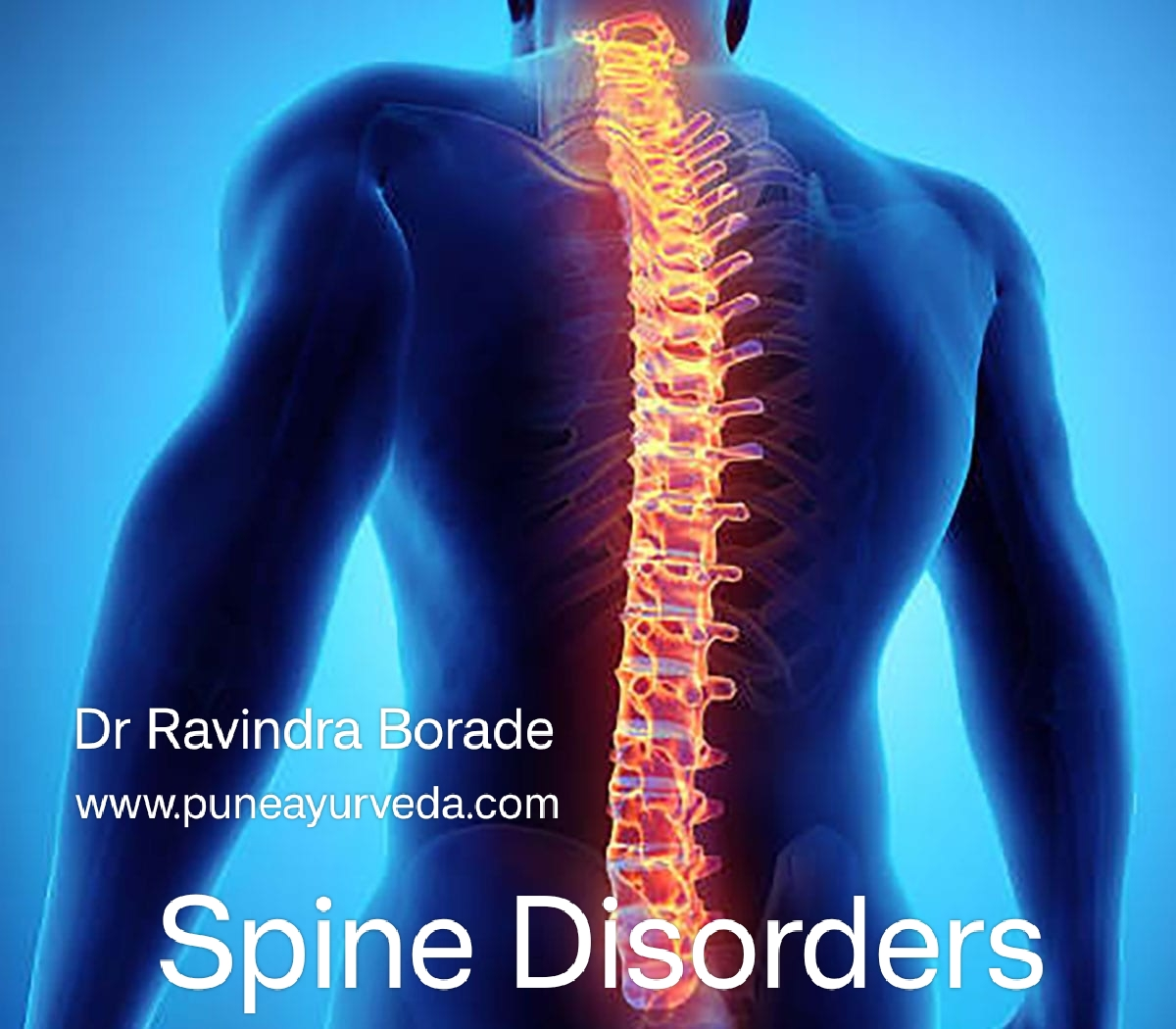
Spondylitis, also known as ankylosing spondylitis, is a chronic inflammatory disease that primarily affects the spine. It causes pain, stiffness, and inflammation in the joints of the spine, which can lead to fusion of the vertebrae over time. Ayurveda, an ancient system of medicine from India, offers holistic approaches for managing various health conditions, including spondylitis. Ayurvedic treatment focuses on balancing the body, mind, and spirit to promote overall well-being. However, it's important to note that Ayurvedic treatments should be used as a complementary approach and should not replace conventional medical care. It's advisable to consult with a qualified Ayurvedic practitioner and inform your primary healthcare provider about any alternative treatments you are considering. Here are some common Ayurvedic approaches that may be recommended for spondylitis: 1. Panchakarma: Panchakarma is a set of detoxification procedures that aim to eliminate toxins from the body. It typically involves therapies like oil massages, herbal steam treatments, and enemas, which are tailored to the individual's specific needs. Panchakarma can help reduce inflammation, relieve pain, and improve mobility in spondylitis. 2. Ayurvedic Medicines: Ayurvedic practitioners may prescribe specific herbal formulations to manage the symptoms of spondylitis. Some commonly used herbs in Ayurvedic medicine for inflammatory conditions include Ashwagandha, Guggulu, Shallaki (Boswellia serrata), and Nirgundi (Vitex negundo). These herbs are believed to possess anti-inflammatory and pain-relieving properties. 3. Diet and Lifestyle Modifications: Ayurveda emphasizes the importance of a balanced diet and lifestyle habits to maintain health. In the case of spondylitis, an Ayurvedic practitioner may recommend dietary modifications based on your body constitution (dosha). They may suggest avoiding foods that can aggravate inflammation, such as processed foods, spicy foods, and excessive amounts of dairy products. Instead, a diet rich in fresh fruits, vegetables, whole grains, and herbal teas may be recommended. 4. Yoga and Exercise: Yoga postures and stretching exercises can help improve flexibility, relieve stiffness, and strengthen the muscles supporting the spine. Certain yoga asanas, such as Bhujangasana (Cobra pose) and Shalabhasana (Locust pose), can be particularly beneficial for spondylitis. However, it's crucial to practice under the guidance of a qualified yoga instructor who can tailor the exercises to your specific needs and limitations. 5. Stress Management: Ayurveda recognizes the impact of stress on overall health. Managing stress through techniques like meditation, deep breathing exercises, and relaxation techniques can be beneficial for people with spondylitis. Stress reduction can help alleviate pain and improve the overall quality of life. Remember that Ayurvedic treatments are highly individualized, and the specific recommendations may vary depending on your unique constitution and symptoms. It's essential to consult with our qualified Ayurvedic practitioner who can assess your condition and provide personalized guidance and treatment. Additionally, it's important to continue following the advice of your primary healthcare provider for the management of spondylitis. www.puneayurceda.com Yoga can be a beneficial complementary practice for individuals with spondylitis, as it helps improve flexibility, reduce stiffness, and strengthen the muscles supporting the spine. However, it's important to approach yoga with caution and choose poses that are suitable for your condition. Here are some yoga poses that may be helpful for spondylitis: 1. Cat-Cow Pose (Marjaryasana-Bitilasana): This gentle flow between cat and cow poses helps to mobilize and stretch the spine, promoting flexibility and relieving tension. 2. Child's Pose (Balasana): This resting pose gently stretches the lower back and promotes relaxation. 3. Cobra Pose (Bhujangasana): Cobra pose helps strengthen the muscles in the back, improves spinal flexibility, and promotes better posture. 4. Bridge Pose (Setu Bandhasana): Bridge pose stretches the spine and strengthens the back muscles, glutes, and hamstrings. 5. Supported Fish Pose (Matsyasana): This pose can help open up the chest and stretch the upper back, relieving stiffness and promoting better posture. 6. Standing Forward Fold (Uttanasana): Uttanasana gently stretches the back muscles and hamstrings, promoting flexibility and relieving tension in the spine. 7. Triangle Pose (Trikonasana): Trikonasana helps strengthen the legs and stretch the sides of the body, promoting better spinal alignment. It's important to practice yoga under the guidance of a qualified instructor who can provide modifications and ensure that you're performing the poses correctly. They can help tailor the practice to your specific needs and limitations. It's also essential to listen to your body and avoid any poses or movements that cause pain or discomfort. If you're experiencing severe symptoms or if you're unsure about the suitability of certain poses, it's advisable to consult with your healthcare provider before starting a yoga practice. www.puneayurveda.com Remember that yoga should be practiced as a part of a comprehensive approach to managing spondylitis, which may include medical treatments, physical therapy, and lifestyle modifications. It's important to work in collaboration with your healthcare team to develop an individualized plan that meets your specific needs. Dr Ravindra Borade & Team Pune Ayurved


